
How to Train Your Upper Body the Right Way With Calisthenics
How to Train Your Upper Body the Right Way With Calisthenics
If you want real upper body strength, clean muscle lines, and joints that stay healthy for years, there is one rule you must follow.
You need to train every push and pull angle.
Not sometimes. Not eventually. Every single week.
A complete calisthenics workout hits vertical and horizontal movements for both push and pull.
This is how you build a balanced muscle chain that performs well in real life, not only in the gym.
When training ignores angles, the body adapts poorly.
Strength becomes limited, posture suffers, and injuries show up.
When angles are trained consistently, the body becomes strong, coordinated, and ready for any movement at any time.
Why Angles Matter in Calisthenics
Your upper body is designed to push and pull in multiple directions. Training only one direction leaves gaps. Those gaps turn into weaknesses.
Vertical pulling builds strength for pull ups, muscle ups, and climbing patterns.
Horizontal pulling builds deep back strength, shoulder stability, and core integration through movements like front lever variations.
Vertical pushing builds shoulder strength, overhead control, and balance through pike push ups and handstands.
Horizontal pushing builds chest, triceps, and anterior chain strength through push ups and plank variations.
When all four angles are trained together, the body works as one connected system. That is what smart calisthenics training looks like.
Dynamic and Isometric Work Build Complete Strength
Strength is not only about reps. It is also about control.
Dynamic exercises build movement strength. Isometric holds build joint integrity, tendon strength, and body awareness. Combining both creates long lasting strength that transfers to advanced skills.
Supersets are an excellent tool here.
Pairing dynamic reps with isometric holds forces the body to stay engaged and build strength under fatigue.
This approach makes every calisthenics workout more effective without adding volume for the sake of volume.
A solid structure is 3 to 5 sets of 5 to 12 reps per category, adjusting the difficulty instead of chasing numbers.
Upper Body Exercise Categories
Here is a clear structure you can use for every upper body calisthenics workout.
Horizontal Push
Push ups, slight decline push ups, plank variations
Vertical Push
Pike push ups on the floor, elevated pike push ups, one leg pike push ups, handstands
Vertical Pull
Pull ups, muscle ups, lat flies, high pull ups, isometric holds
Horizontal Pull
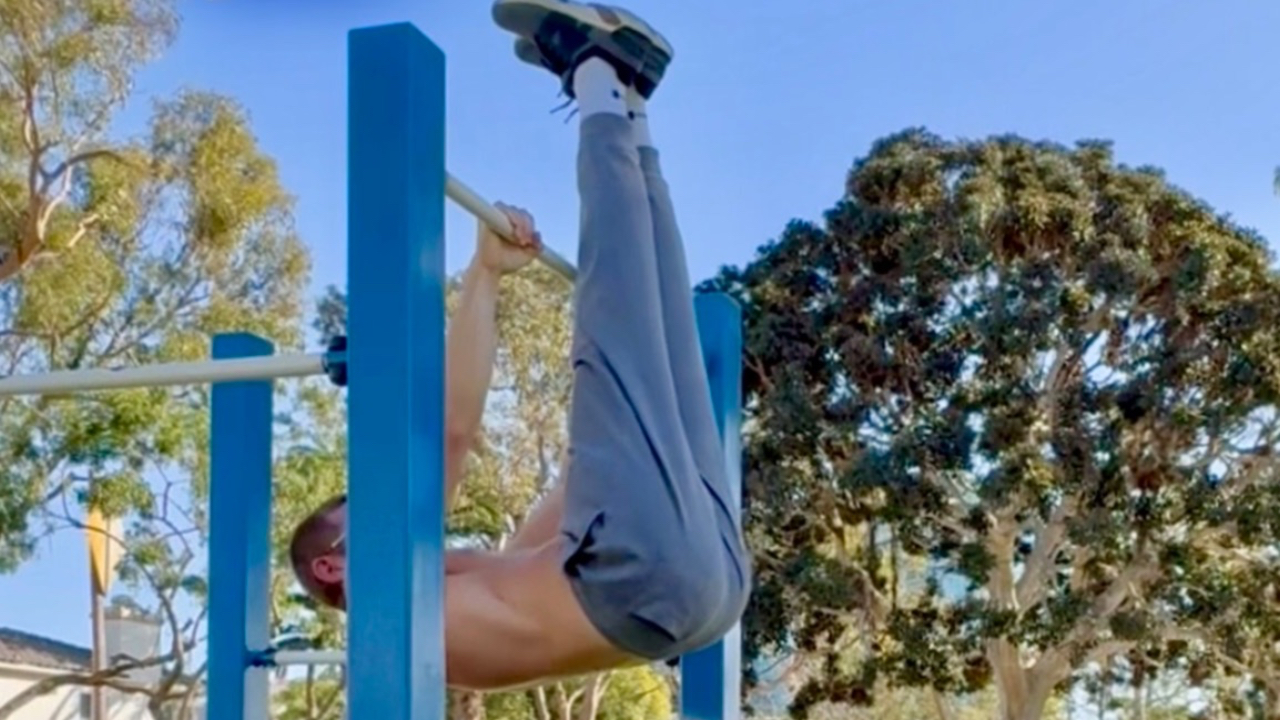
Front lever raises, front lever tuck holds, front lever tuck raises
Core
Front knee raises, side knee raises, straight leg raises, tuck and straight isometric holds
This structure alone already puts you ahead of most training programs.
A Complete Upper Body Calisthenics Workout
Below is a full calisthenics workout that hits every angle. Rest 2 to 3 minutes between sets.
Vertical Pull Supersets
Superset 1
High pull ups x 8
5 second hold behind the neck
5 second street hold
Superset 2
1 muscle up
5 to 7 pull ups
3 to 5 second top hold
3 to 5 second street hold
Superset 3
5 pull ups
5 lat flies
5 second behind the neck hold
3 to 5 second street hold
These supersets build pulling power, grip strength, and shoulder control all at once.
Horizontal Pull Supersets
Superset 1
1 full front pull
3 to 5 second negative advanced tuck
Superset 2
1 full front pull to inverted L sit
3 to 5 second advanced tuck hold
Superset 3
Full front lever to 3 to 5 second tuck
Pull ups
Back to 3 to 5 second tuck for 3 sets
Superset 4
Skin the cat
German hang
Tuck raises x 3 reps
This section strengthens the entire posterior chain and builds serious core tension.
Vertical Push
Handstand holds to max time x 3 sets
Pike push ups x 3 to 5 reps for 3 sets
Floor pike push ups
Elevated pike push ups
One leg pike push ups
This builds shoulder strength that carries over to presses, handstands, and athletic movement.
Horizontal Push
Decline push ups x 10 to 20 reps for 3 sets
Simple, effective, and brutally honest.
Core Finisher
5 total sets
One arm assisted side straight leg raises x 3 reps per side
One arm assisted knee raises x 5 reps per side
Full knee raises to chest x 10 reps
Side hold x 5 seconds for 10 reps per side without releasing the bar
This core work builds rotational control and hanging strength.
How to Use This Template
This workout is a template. Adjust leverage, range of motion, and volume based on your level and goals.
The structure stays the same.
Training this way ensures every calisthenics workout builds durable strength, clean movement, and long term progress.
Do not forget leg training. Upper body strength shines even more when the lower body is strong and mobile.
An ideal training week looks like this:
3 upper body days and 3 leg days.
Or 2 upper body days and 2 leg days for beginners.
Consistency wins every time.
Train smart. Train all angles.
Let’s go.
Nicolas
PS: Train with me and get strong forever.
Frequently Asked Questions
1. What is the "one rule" for building real upper body strength and healthy joints? The golden rule is that you must train every push and pull angle every single week. This means hitting both vertical and horizontal movements to build a balanced muscle chain that performs well in real life.
2. What are the four primary angles of upper body calisthenics training? The four angles are:
-
Vertical Pull: Builds strength for pull-ups and muscle-ups.
-
Horizontal Pull: Builds deep back strength and shoulder stability (e.g., Front Levers).
-
Vertical Push: Builds shoulder strength and overhead control (e.g., Pike Push-ups, Handstands).
-
Horizontal Push: Builds the chest, triceps, and anterior chain (e.g., Push-ups).
3. Why should I combine dynamic exercises with isometric holds? Dynamic exercises build movement strength, while isometric holds build joint integrity, tendon strength, and body awareness. Combining both in supersets makes your workout more effective without simply adding "junk volume."
4. What is the recommended set and rep range for this upper body structure? A solid structure is 3 to 5 sets of 5 to 12 reps per category. You should focus on adjusting the difficulty (leverage) rather than just chasing higher numbers to continue progressing.
5. How does horizontal pulling specifically benefit a calisthenics athlete? Horizontal pulling (like front lever variations or rows) is essential for building deep back strength and shoulder stability. It integrates the core with the upper body and protects the joints from the imbalances often caused by over-training push-ups.
6. What is a "Vertical Push" progression I can follow to work toward a handstand? You can progress through pike push-ups on the floor, then elevated pike push-ups, and finally one-leg pike push-ups. These build the necessary shoulder power and vertical pressing capacity for handstands.
7. How should I structure my training week for balanced progress? An ideal training week consists of 3 upper body days and 3 leg days. For beginners, a more manageable split of 2 upper body days and 2 leg days is a great way to start building consistency.
