
3 Advanced Push-Up Variations to Build Strength (No Equipment)
3 Advanced Push-Up Variations to Build Strength (No Equipment)
I’ve heard it a thousand times.
“Push ups are easy.”
No. Push ups are honest.
They are only “easy” when you stop challenging yourself.
If you’ve been training calisthenics for a while, you already know this pattern: you start with regular push ups, you build up reps, and one day you hit 20… then 25… then 30.
At that point, something changes.
Your push ups stop building strength and start building endurance.
Your chest pump feels great, your triceps burn, and you sweat. Yet your pushing power stays the same.
Your body adapts. Your reps go up. Your strength plateaus.
If you want to keep getting stronger, it’s definitely time to level up your push ups.
In this blog post, I’m going to show you three push up variations that instantly make every rep harder than the classic version, without needing equipment.
These movements fit perfectly into any calisthenics workout and they build the kind of pushing strength tha...
3 Calisthenics Exercises That Break Plateaus for Beginners
3 Calisthenics Exercises That Break Plateaus for Beginners
You know the feeling.
You show up.
You train consistently.
You hit your pull ups, your push ups, your basics.
And then…
The reps stop increasing. Your body feels strong but progress feels frozen.
You are not failing. You are not doing it wrong.
You have simply reached the point where beginner volume stops working on its own.
If you have been training calisthenics for over a year and can perform around eight clean pull ups, congratulations.
You built a solid base.
Now it is definitely time to train smarter.
Breaking a plateau is not about doing more random workouts or chasing exhaustion.
It is about choosing the right calisthenics exercises that address real strength gaps and upgrade how your body produces force.
These three movements do exactly that.
Why Plateaus Happen in Calisthenics
How To Make Push Ups Harder?
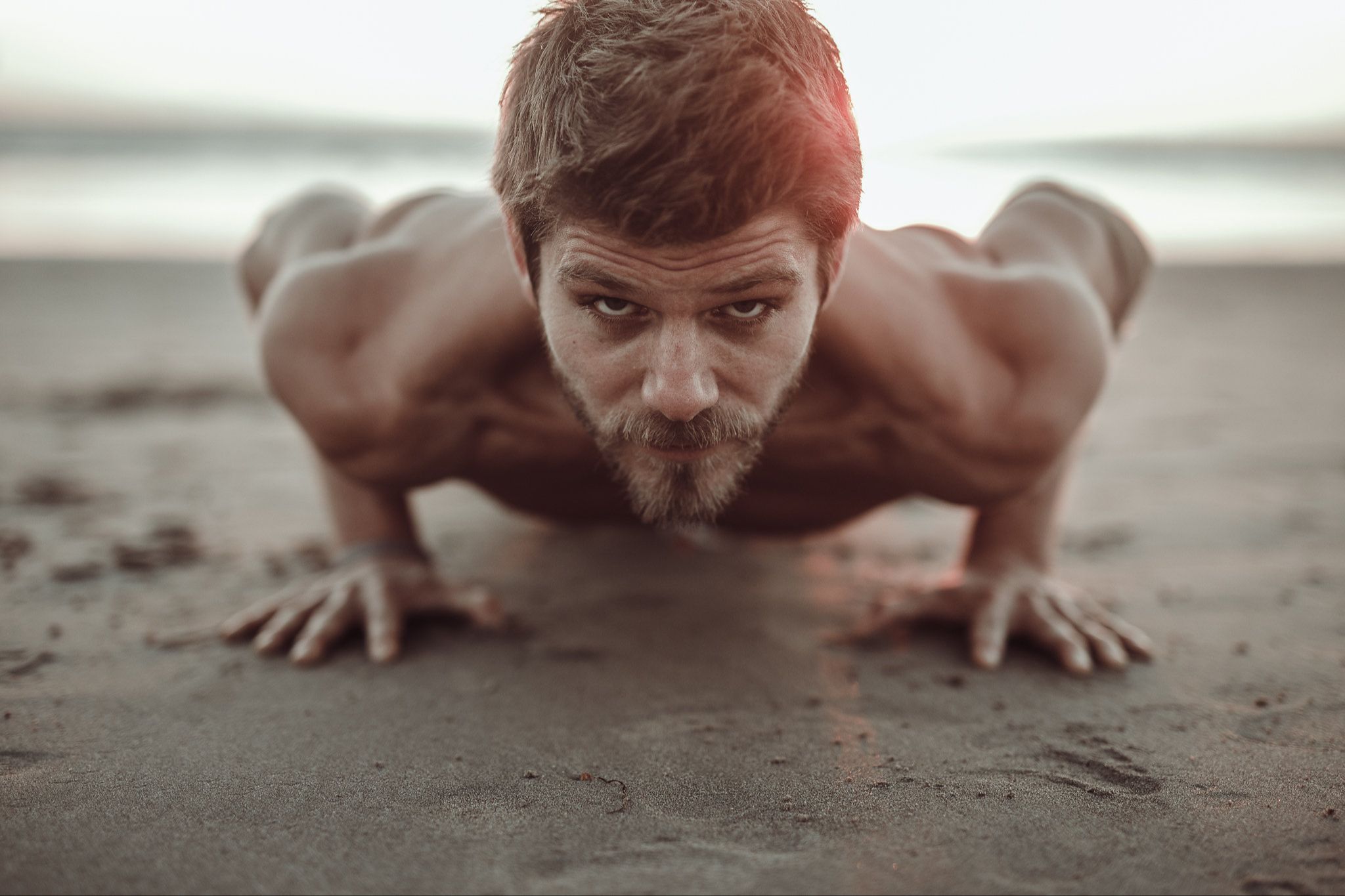
How To Make Push Ups Harder?
Use Pre-fatigue and harder angles.
The goal of pre-fatigue and steeper angles is to make an exercise feels harder than it normally would.
You can use various techniques to do so and/or combine them all together.
Here is a great example to how do that with pushups and make 10 reps feel like 50.
-
Use a decline setting: this makes it harder than a classic push up. Use a box, chair, couch, anything works
-
Stay at the bottom in an isometric hold for 10 seconds
-
Lean forward into a pseudo push up hold
-
Perform 10 “halfer push ups”(repetitions where you only perform the bottom half portion of the push up, from the chest to ground to parallel)
-
Perform 10 clean full range of motion push ups
Nicolas
Frequently Asked Questions
1. What are the two main techniques used to make push-ups feel significantly hard...
Why EMOM Training Should Be in Your Calisthenics Program
Why EMOM Training Should Be in Your Calisthenics Program
If you’re serious about leveling up your bodyweight training, it’s definitely time to get started with the EMOM method.
EMOM "Every Minute on the Minute" is one of the most underrated tools in the calisthenics world.
Most people avoid it for one simple reason:
It’s hard.
Not kind-of hard. Not “challenging but manageable.” Truly hard.
Try it once and you’ll feel it immediately.
But here’s the truth every dedicated athlete eventually learns:
The methods that challenge you the most are the ones that transform your body the fastest.
EMOM is no exception.
When you commit to it, you build strength, conditioning, and muscle quality at a level that traditional training can’t touch.
And yes, it's absolutely worth the effort.
Mass vs. Density: What Are You Really Building?
A lot of people chase muscle mass. They want to look bigger, fuller, and “more jacked.” Nothing wrong with that, mass has its benefits.
But if you want...
Still Can't Do One Clean Push Up? Try This!

Still Can't Do One Clean Push Up? Try This!
This is how to get your first clean push up!
The humble push up is one of the foundation of calisthenics.
It is the most universal training movement around the world.
However, a LOT of people do them wrong or can't do them at all!
Just like for any other calisthenics training movements, there is a good progression to work towards good technique and full range of motion.
There are 5 main steps to achieve your first push up.
Nicolas
How To Get Rid Of Weak Shoulders

Push-ups are a staple exercise for building upper body and shoulder strength.
Limited shoulder mobility is usually the main factor that hinders your progress
This video dives into three calisthenics exercises designed to target your shoulders and chest, while simultaneously improving your shoulder mobility.
You will gain: scapular control, over head mobility and explosivity/agility
By incorporating these drills into your workout, you'll unlock a new level of shoulder power and mobility.
Nicolas
The Only 4 Calisthenics Exercises You Need for Life
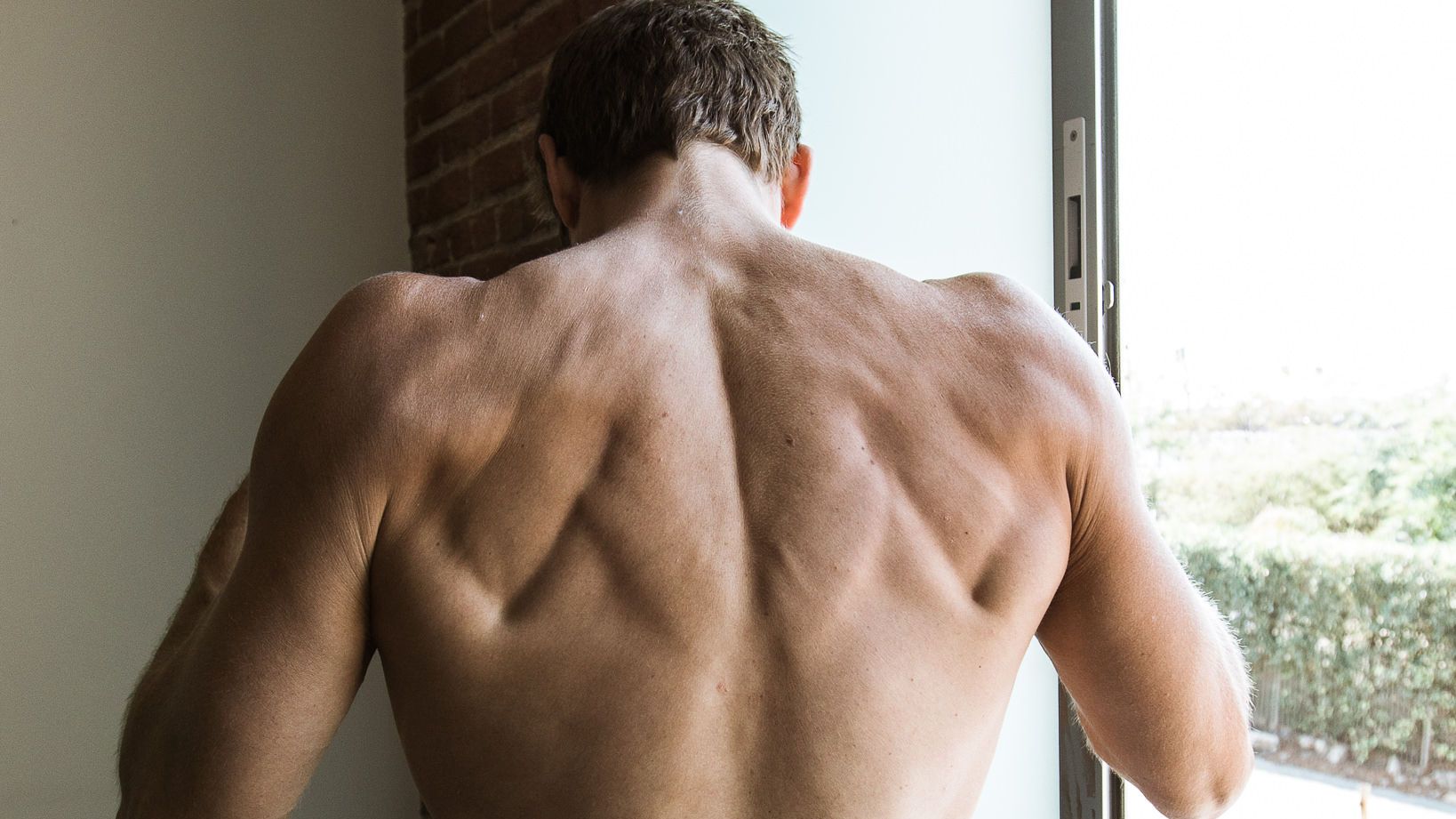
The Only 4 Calisthenics Exercises You Need for Life
If I could only pick 4 calisthenics exercises for the rest of my life, what would it be?
I had this question circle back around many times and that's a tough one!
But these would be my picks:
-
Wide Pull-Ups – The king of pulling exercise.
-
Pike Push-Ups – The go-to for overhead pressing strength.
-
Bulgarian Split Squats – The best single-leg lower-body builder.
-
Hanging Leg Raises – The king of core exercises.
These four movements cover every major muscle group, maximizing strength and control with just your bodyweight.
Whether you’re building muscle, improving mobility, or mastering body control, these exercises form a rock-solid foundation for your calisthenics workout.
Let’s break down why they should be staples in your training routine.
1. Wide Pull-Ups
Why They Work
Wide pull-ups are the gold standard for upper-body pulling strength.
By using a grip wider than shoulder-width, you put greate...
How Push Ups Transform Your Body: Why Speed Changes the Game
How Push Ups Transform Your Body: Why Speed Changes the Game
Push-ups are a classic for a reason: they’re simple, effective, and versatile.
But if you’ve been performing them at the same steady pace without much thought, it’s time to make a change.
By focusing on speed during the concentric phase (the upward push), you can take your training to the next level in a way that’s controlled, purposeful, and impactful.
This isn’t about rushing or losing form, it’s about tapping into explosive strength while staying precise.
Let’s break down why speed matters and how it can be a game-changer in your fitness routine.
Why Speed in Push-Ups Works
Think about a sprinter versus a marathon runner. Both are impressive, but they train differently, and their muscles look very different too.
By focusing on speed, you’re tapping into your fast-twitch muscle fibers (those sprinter muscles).
These fibers are responsible for quick, powerful movements and are essential for building strength and e...
How To Get Rid Of Your Weak Shoulders With Calisthenics

How To Get Rid Of Your Weak Shoulders With Calisthenics
Push-ups are a staple exercise for building upper body strength.
But did you know that limited shoulder mobility can hinder your progress?
This blog post dives into three calisthenics exercises designed to target your shoulders and chest, while simultaneously improving your shoulder mobility.
By incorporating these drills into your calisthenics workout plan, you'll unlock a new level of push-up performance and overall upper body power.
Why Shoulder Mobility Matters for Push-Ups
The shoulder joint is one of the most complex joints in the body. It enjoys a wide range of motion, allowing for movements like reaching overhead, pushing away from your body, and rotating your arms. However, tight shoulders can restrict this range of motion, making push-ups more challenging and potentially leading to injuries.
These three exercises address different aspects of shoulder mobility and stability: scapular control, overhead mobility,...
The Magic of Flow: Finding Your Rhythm with Calisthenics Workouts
The Magic of Flow: Finding Your Rhythm with Calisthenics Workouts
Sometimes it's good to not have a plan, to improvise, to go with the flow!
Birthdays can often be a time for reflection. This year, on my 44th, I found myself off the grid, immersed in the vastness of the California desert. While the scenery was a departure from the usual routine, my commitment to staying active remained as usual!
Enter calisthenics, my trusty bodyweight training companion, which once again proved its adaptability and effectiveness.
Beyond the Gym: Calisthenics Takes Center Stage
One of the many beauties of calisthenics is its lack of dependence on fancy equipment. It empowers you to maintain your fitness routine anywhere, anytime. In this case, my desert retreat became my personal gym, and push-ups took center stage.
Push-ups are a remarkably versatile exercise, engaging multiple muscle groups in the upper body and core.
But for me, their true appeal lies in the freedom they offer.
The Flow S...
